


 Podcasts
 Shop
Shop
 Our partners


Before you go any further...
I've read and accept the Terms of Use and the Privacy Policy.
I accept to receive newsletter and other communications associated with firms of The Explorers Network group'
I accept to receive commercial offers of The Explorers Network partners'.


Thanks!
Vote everyday for your favorite content
SENSITIVE CONTENT
This media contains sensitive content which some people may find disturbing or offensive.
You must be 15 years of age or older to view sensitive content.
Log inBirthday
Content being validated
THE EXPLORERS +
Watch our premium movies
The Explorers + is our premium movie catalog in Ultra High Definition (HD/4K/8K)! Hundreds of videos already available and daily new content on all your devices (web, mobile, tablets, smart TV).

Post content (photo or video) and get 1-month free
OR
Subscribe and support The Explorers Foundation's field actions for biodiversity.
Content being validated
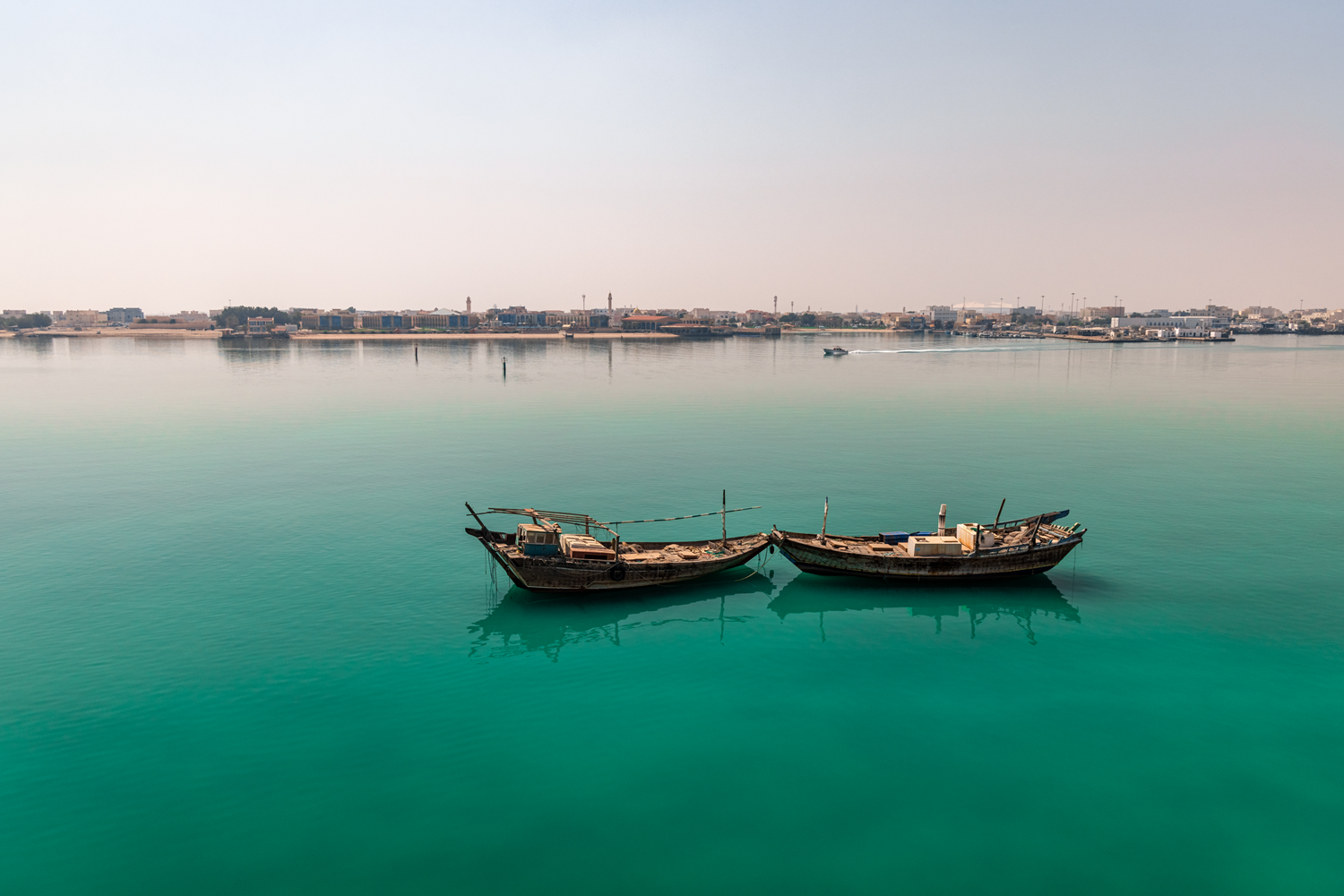
Vestiges of Qatar’s maritime tradition
4
0

Qatar is a peninsula bordered on one side by the Gulf of Bahrain and on the other by the Persian Gulf. For generations, its survival and destiny were inextricably linked to the sea, which provided a livelihood for much of its population. The traditional wooden dhows – here off the northern city of Al Khor – are vestiges of this maritime tradition of transporting goods, fishing, and trading pearls. Most of the dhows that sail today in Qatar are made in India (Kerala), Oman or Dubai, countries that have preserved a traditional craft of dhows made of teak, mango or mangrove wood locally called sambuq, shu’ai, bhum or baggala depending on their size and use.

Related content

Médias en cours d’exploration