


 Podcasts
 Shop
Shop
 Our partners


Before you go any further...
I've read and accept the Terms of Use and the Privacy Policy.
I accept to receive newsletter and other communications associated with firms of The Explorers Network group'
I accept to receive commercial offers of The Explorers Network partners'.


Thanks!
Vote everyday for your favorite content
SENSITIVE CONTENT
This media contains sensitive content which some people may find disturbing or offensive.
You must be 15 years of age or older to view sensitive content.
Log inBirthday
Content being validated
THE EXPLORERS +
Watch our premium movies
The Explorers + is our premium movie catalog in Ultra High Definition (HD/4K/8K)! Hundreds of videos already available and daily new content on all your devices (web, mobile, tablets, smart TV).

Post content (photo or video) and get 1-month free
OR
Subscribe and support The Explorers Foundation's field actions for biodiversity.
Content being validated
Unusual protection techniques
4
0

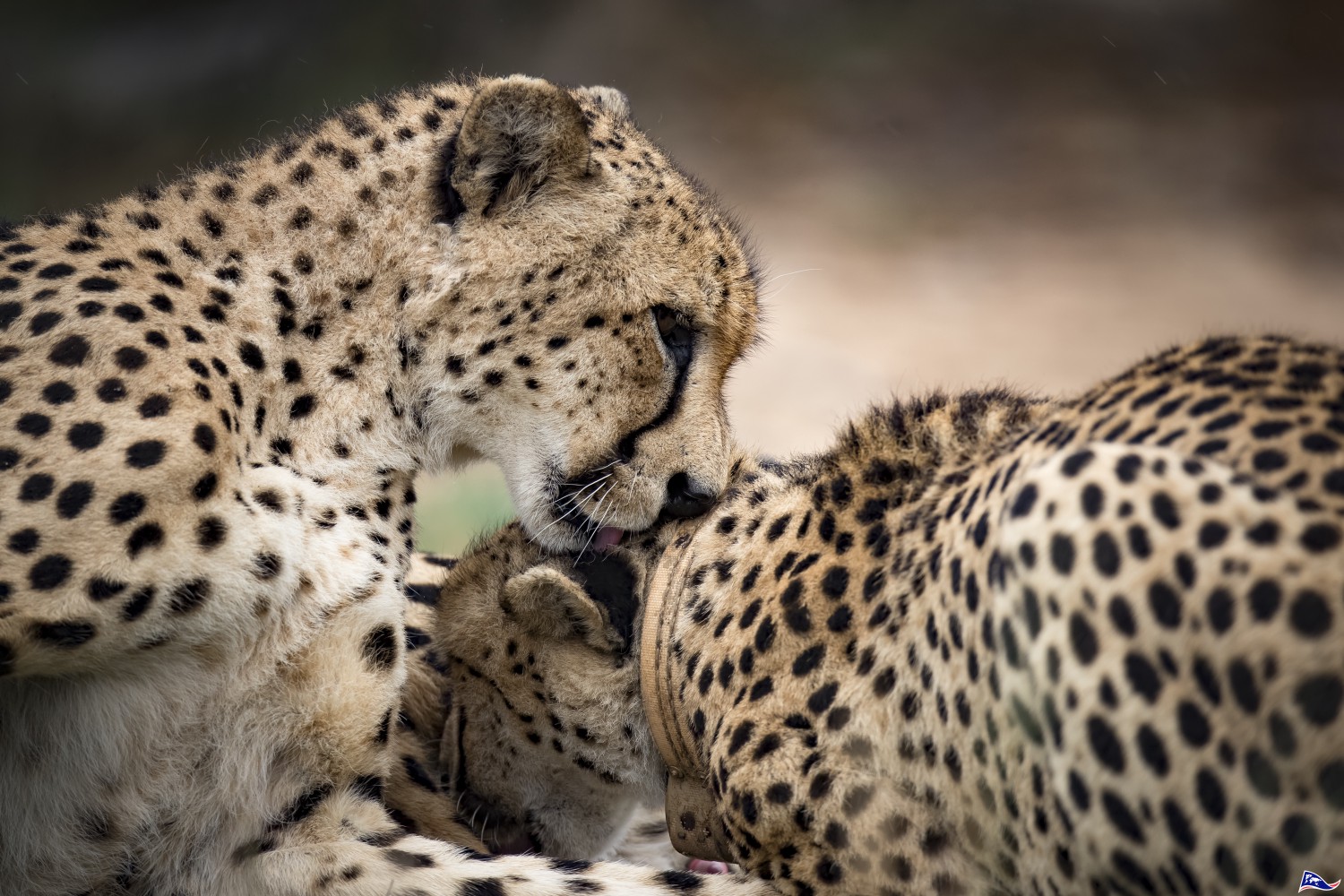
Bordering South Africa, Namibia is home to a quarter of the world's wild cheetah population with 3,000 individuals. 95% of these cheetahs lived on cropland and farmland in northern Namibia where they attacked livestocks. Although the Namibian cheetah is a protected species, the conflict with agricultural interests was one of the greatest threats to its survival in the late 20th century. At the time, between 800 and 900 cheetahs were killed each year and the number of cheetahs had dropped by half. After the independence of Namibia in 1990, to stop massive cheetah killings by farmers, the CCF (Cheetah Conservation Fund) implemented various programs with local farmers and the Livestock Guarding Dog Association. Today, more than 300 Kangal dogs work to protect livestocks and thus cheetahs.

Related content

Médias en cours d’exploration