


 Podcasts
 Shop
Shop
 Our partners


Before you go any further...
I've read and accept the Terms of Use and the Privacy Policy.
I accept to receive newsletter and other communications associated with firms of The Explorers Network group'
I accept to receive commercial offers of The Explorers Network partners'.


Thanks!
Vote everyday for your favorite content
SENSITIVE CONTENT
This media contains sensitive content which some people may find disturbing or offensive.
You must be 15 years of age or older to view sensitive content.
Log inBirthday
Content being validated
THE EXPLORERS +
Watch our premium movies
The Explorers + is our premium movie catalog in Ultra High Definition (HD/4K/8K)! Hundreds of videos already available and daily new content on all your devices (web, mobile, tablets, smart TV).

Post content (photo or video) and get 1-month free
OR
Subscribe and support The Explorers Foundation's field actions for biodiversity.
Content being validated
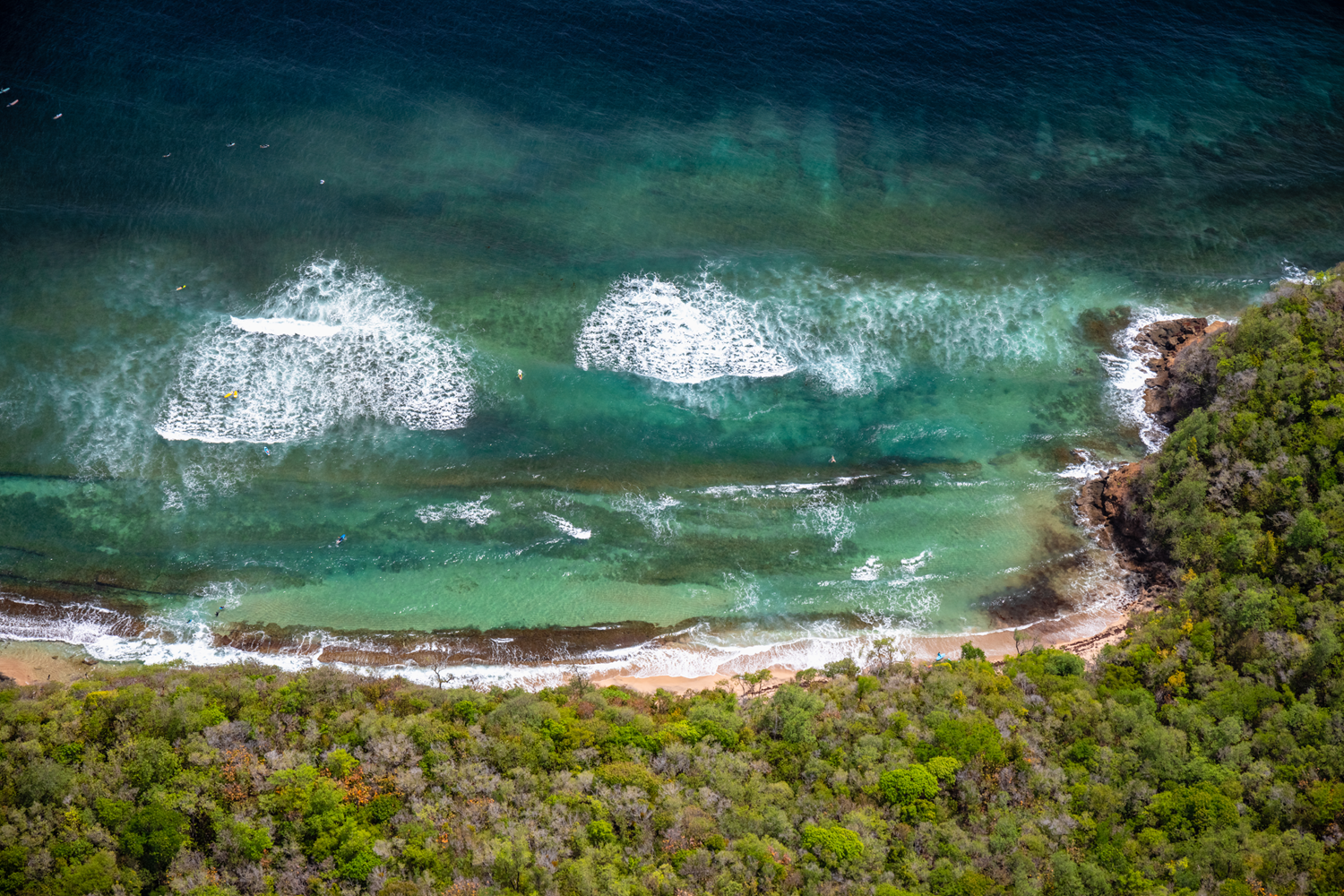
A xerophilous forest with rare species
2
0

The littoral dry forest of Martinique can be observed on the leeward coast, near the coastline, in the south of the island and in the Caravelle nature reserve (photo) on the Atlantic facade of the overseas department. Also called xerophile, it represents 39 % of all Martinican forests and is found in areas where rainfall is less than 67 inches per year (1,700 mm/year). Made up of red gum trees, gaiac, catalpa, manchineel trees with toxic sap, or grape trees, it corresponds to secondary formations that followed past clearings and reclaimed abandoned pastures and crops. Relatively homogenized over large areas, it is divided into tall formations (65 ft / 20 m on average), denser and with larger trees, and lower ones (16.5 ft / 5 m). The very dry forest on the hillsides of the Caravelle peninsula is home to twenty-two rare species. Among them is the Caravelle large leaf grape tree endemic to Martinique and present exclusively in this geographical area.

Related content

Médias en cours d’exploration