


 Podcasts
 Shop
Shop
 Our partners


Before you go any further...
I've read and accept the Terms of Use and the Privacy Policy.
I accept to receive newsletter and other communications associated with firms of The Explorers Network group'
I accept to receive commercial offers of The Explorers Network partners'.


Thanks!
Vote everyday for your favorite content
SENSITIVE CONTENT
This media contains sensitive content which some people may find disturbing or offensive.
You must be 15 years of age or older to view sensitive content.
Log inBirthday
Content being validated
THE EXPLORERS +
Watch our premium movies
The Explorers + is our premium movie catalog in Ultra High Definition (HD/4K/8K)! Hundreds of videos already available and daily new content on all your devices (web, mobile, tablets, smart TV).

Post content (photo or video) and get 1-month free
OR
Subscribe and support The Explorers Foundation's field actions for biodiversity.
Content being validated
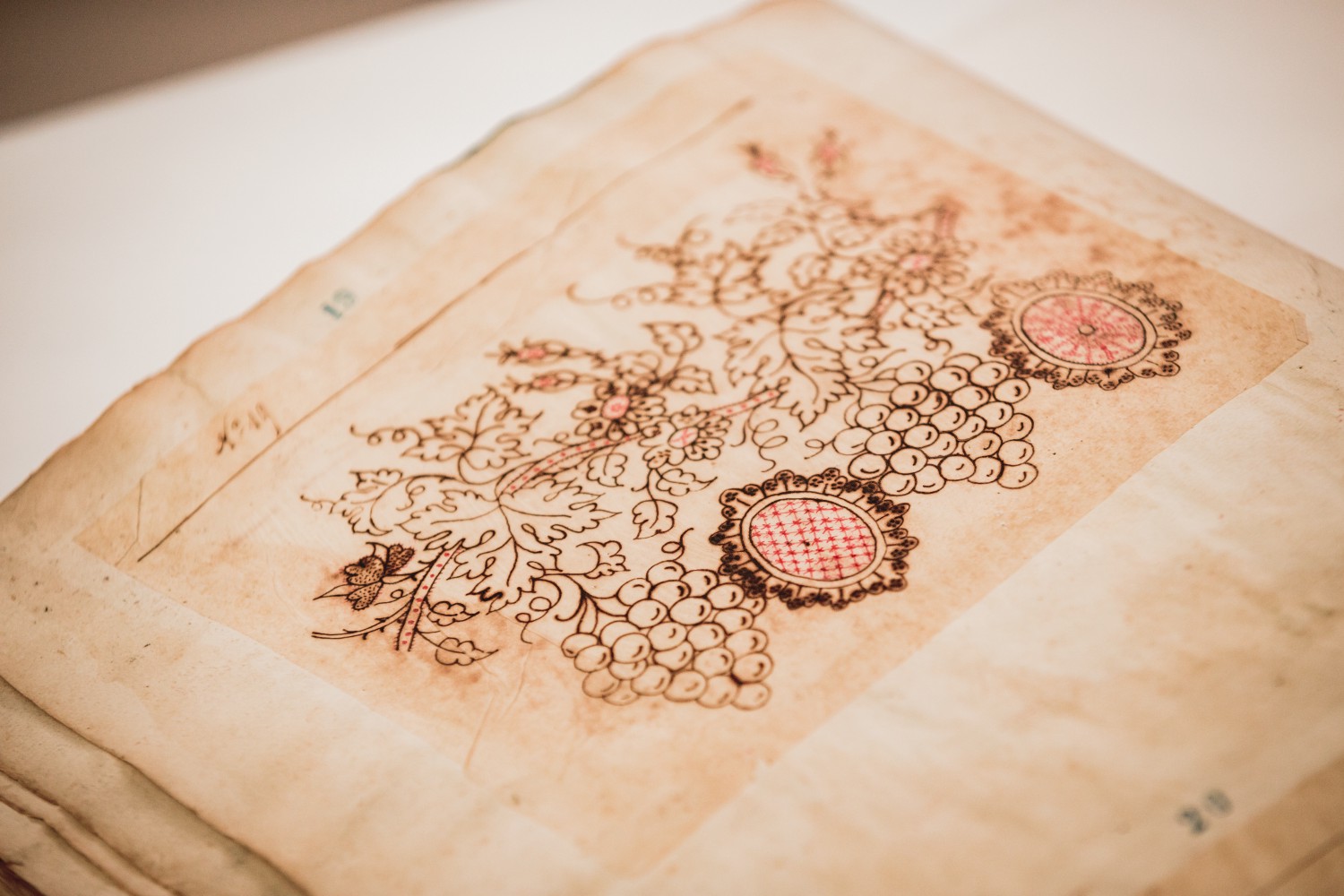
A pattern used for a flounce
1
0

This pattern with bunches of grapes and vine leaves was probably used to make the Point d'Alençon lace flounce exhibited in one of the showcases of the Dentelle (Lace) section of the Musée des Beaux-Arts et de la Dentelle (Museum of Fine Arts and Lace) in Alençon. This flounce, attributed to the Lefébure house, stands alongside another remarkable piece: the so-called princely wedding flounce, which depicts a medieval wedding. Intended for clothing and furnishing, they both testify to the know-how of the houses that manufactured them at the end of the 19th century in the Orne department. Though the Lefébure house had headquarters in Bayeux in the Calvados department, it owned production sites in Alençon and Argentan.

Related content

Médias en cours d’exploration