


 Podcasts
 Shop
Shop
 Our partners


Before you go any further...
I've read and accept the Terms of Use and the Privacy Policy.
I accept to receive newsletter and other communications associated with firms of The Explorers Network group'
I accept to receive commercial offers of The Explorers Network partners'.


Thanks!
Vote everyday for your favorite content
SENSITIVE CONTENT
This media contains sensitive content which some people may find disturbing or offensive.
You must be 15 years of age or older to view sensitive content.
Log inBirthday
Content being validated
THE EXPLORERS +
Watch our premium movies
The Explorers + is our premium movie catalog in Ultra High Definition (HD/4K/8K)! Hundreds of videos already available and daily new content on all your devices (web, mobile, tablets, smart TV).

Post content (photo or video) and get 1-month free
OR
Subscribe and support The Explorers Foundation's field actions for biodiversity.
Content being validated
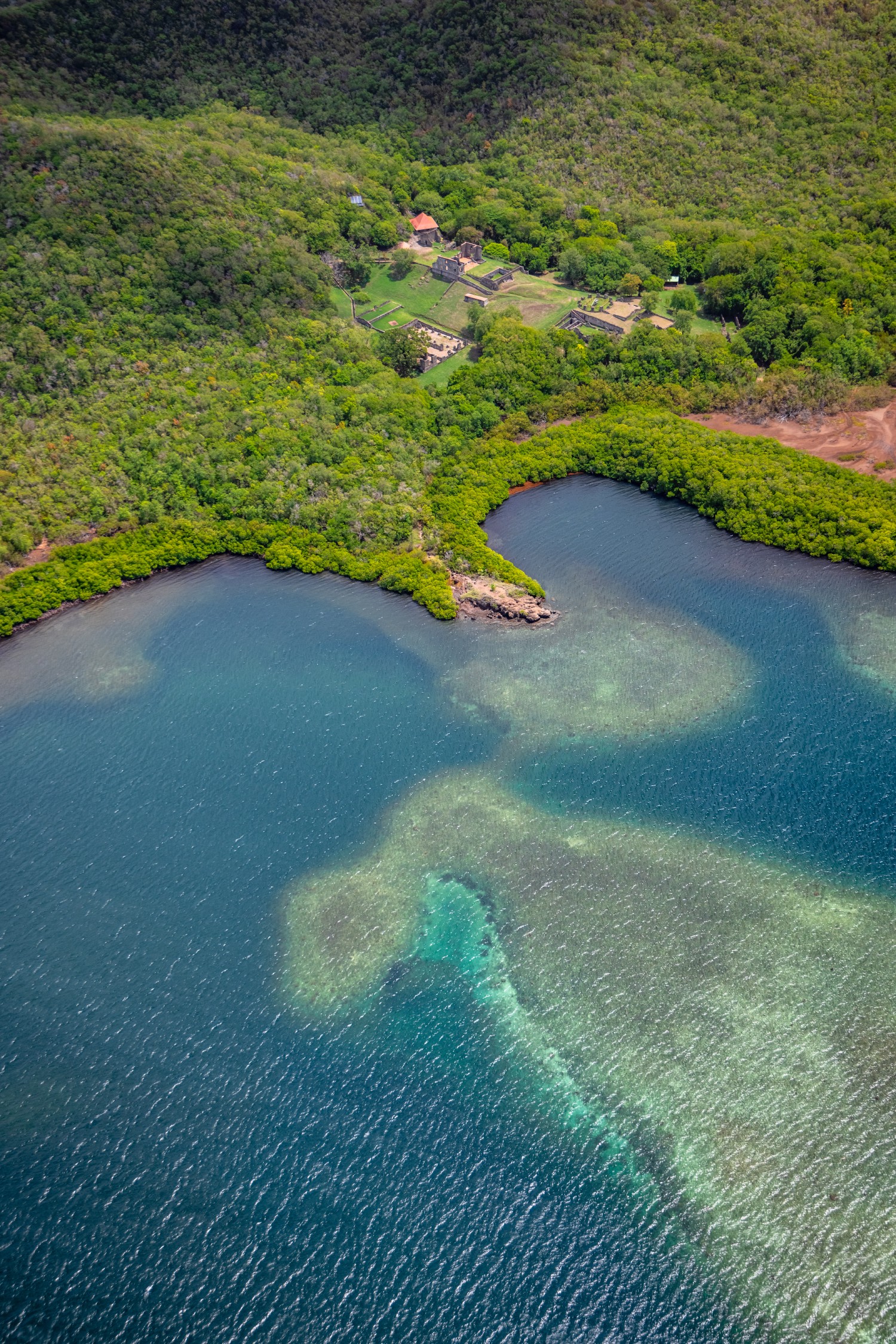
The rise and fall of the Dubuc family
0
0

Located on the Caravelle peninsula, Château Dubuc is not a real castle but a former colonial sugar plantation. The third most visited site in Martinique, it bears witness to the first hours of the colonization of the island, marked by the annihilation of the Carib Indians, the slave trade, and the very first sugar factories. It also recounts the rise and fall of the Dubuc clan, one of the first families to settle on the island. In 1657, Pierre du Buc, a squire from Normandy, landed in Martinique following a murderous duel to escape the musketeers of the King of France. As a reward for his expeditions against the Carib Indians, he received a concession in the region of La Trinité, where he settled from 1671 and cultivated - through slave labor - sugar cane and tobacco. His grandson Louis du Buc du Galion had the mansion of the Habitation La Caravelle built in 1725, which became Château Dubuc. Damaged by the earthquake and cyclone of 1727, Château Dubuc deteriorated over the 18th century until the sugar refinery was shut down in 1793. Plundered by the English in 1794 then transformed into a hunting lodge, the building was abandoned in 1815. Its ruins overgrown with cursed fig trees and 6 acres (2.5 ha) of land were acquired in 1974 by the community of communes on behalf of the future Martinique Regional Nature Park.

Related content

Médias en cours d’exploration