


 Podcasts
 Shop
Shop
 Our partners


Before you go any further...
I've read and accept the Terms of Use and the Privacy Policy.
I accept to receive newsletter and other communications associated with firms of The Explorers Network group'
I accept to receive commercial offers of The Explorers Network partners'.


Thanks!
Vote everyday for your favorite content
SENSITIVE CONTENT
This media contains sensitive content which some people may find disturbing or offensive.
You must be 15 years of age or older to view sensitive content.
Log inBirthday
Content being validated
THE EXPLORERS +
Watch our premium movies
The Explorers + is our premium movie catalog in Ultra High Definition (HD/4K/8K)! Hundreds of videos already available and daily new content on all your devices (web, mobile, tablets, smart TV).

Post content (photo or video) and get 1-month free
OR
Subscribe and support The Explorers Foundation's field actions for biodiversity.
Content being validated
More than a century of excellence
1
0

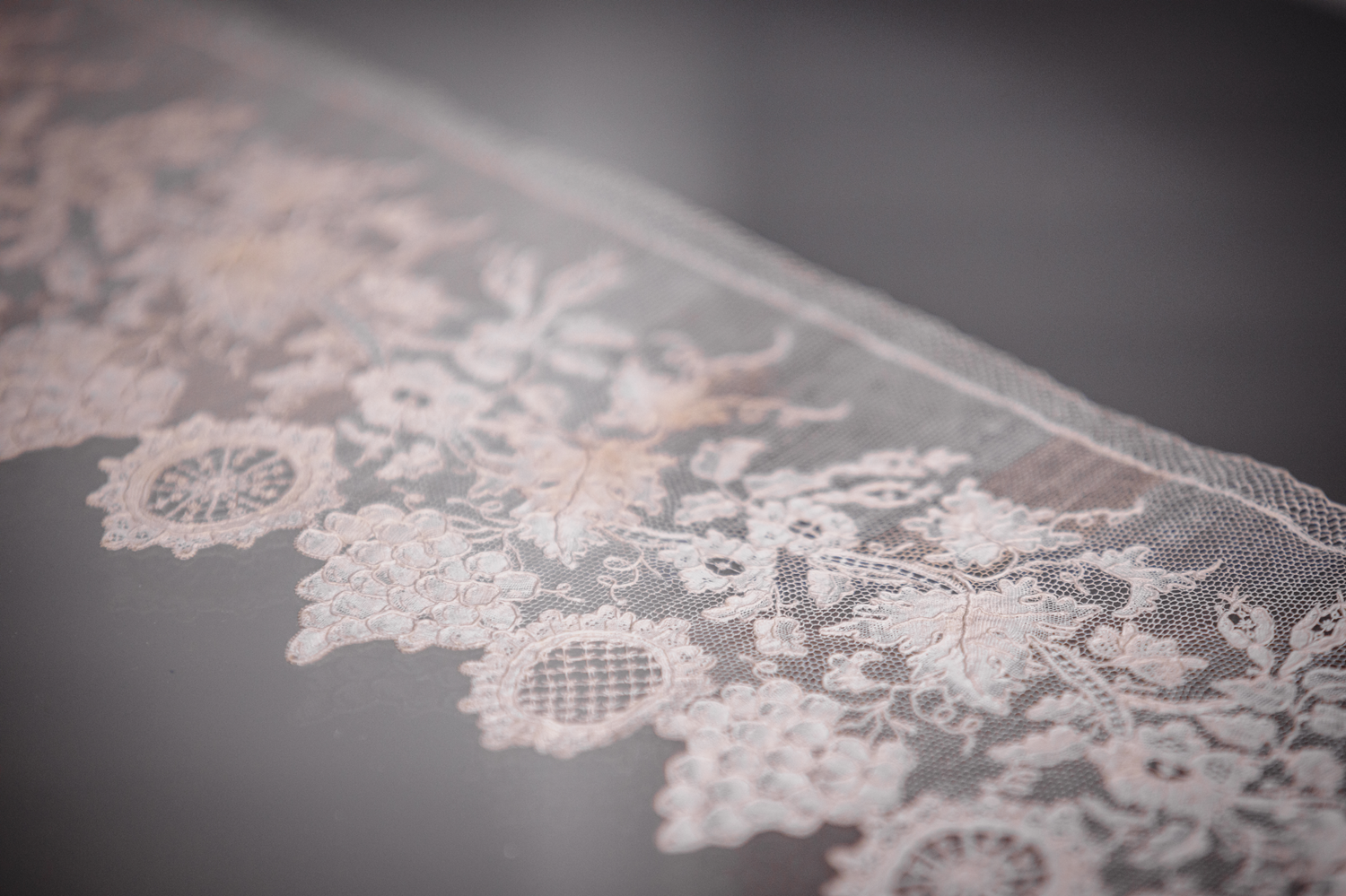
This flounce with bunches of grapes and vine leaves exhibited at the Musée des Beaux-Arts et de la Dentelle (Museum of Fine Arts and Lace) in Alençon is a piece made by the Lefébure house at the end of the 19th century. The Lefébure house was then one of the great lace houses of Bayeux in the Calvados department. Created in 1829 when Augustin-René Lefébure bought the factory of Mrs. Carpentier, the official lacemaker of Queen Marie-Antoinette and her daughter, it is famous for having produced a matte blond lace as well as a black lace capable of competing with the productions of Alençon. The Lefébure house, which has always favored the manufacture of luxury bobbin or needle lace for wealthy customers rather than mechanization, closed its last factory-school in 1973.

Related content

Médias en cours d’exploration