


 Podcasts
 Shop
Shop
 Our partners


Before you go any further...
I've read and accept the Terms of Use and the Privacy Policy.
I accept to receive newsletter and other communications associated with firms of The Explorers Network group'
I accept to receive commercial offers of The Explorers Network partners'.


Thanks!
Vote everyday for your favorite content
SENSITIVE CONTENT
This media contains sensitive content which some people may find disturbing or offensive.
You must be 15 years of age or older to view sensitive content.
Log inBirthday
Content being validated
THE EXPLORERS +
Watch our premium movies
The Explorers + is our premium movie catalog in Ultra High Definition (HD/4K/8K)! Hundreds of videos already available and daily new content on all your devices (web, mobile, tablets, smart TV).

Post content (photo or video) and get 1-month free
OR
Subscribe and support The Explorers Foundation's field actions for biodiversity.
Content being validated
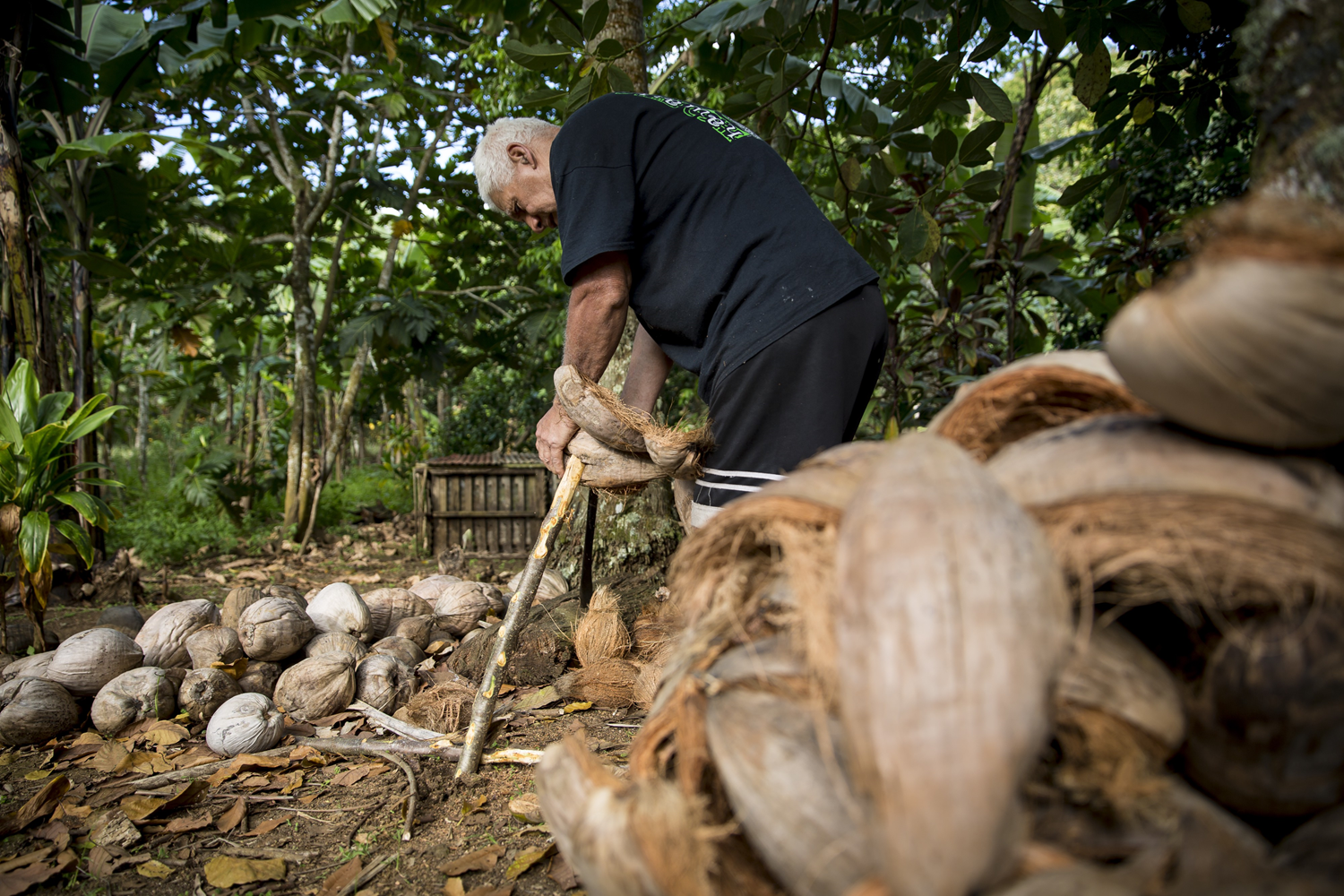
Cultivation of copra
1
0

From the middle of the 19th century until WWII, copra was massively exported to Europe to make oil for industrial use. The coconut palms were cultivated in the villages or more extensively in plantations which contributed to the spread of Christianity and to the indigenous populations' switch towards the market economy. Today, coconut palms still occupy around 12,000ha i.e two-thirds of the territory agricultural area. Once extracted and dried, the coconut pulp is transported to Papeete's oil-mills.

Related content

Médias en cours d’exploration