


 Podcasts
 Shop
Shop
 Our partners


Before you go any further...
I've read and accept the Terms of Use and the Privacy Policy.
I accept to receive newsletter and other communications associated with firms of The Explorers Network group'
I accept to receive commercial offers of The Explorers Network partners'.


Thanks!
Vote everyday for your favorite content
SENSITIVE CONTENT
This media contains sensitive content which some people may find disturbing or offensive.
You must be 15 years of age or older to view sensitive content.
Log inBirthday
Content being validated
THE EXPLORERS +
Watch our premium movies
The Explorers + is our premium movie catalog in Ultra High Definition (HD/4K/8K)! Hundreds of videos already available and daily new content on all your devices (web, mobile, tablets, smart TV).

Post content (photo or video) and get 1-month free
OR
Subscribe and support The Explorers Foundation's field actions for biodiversity.
Content being validated
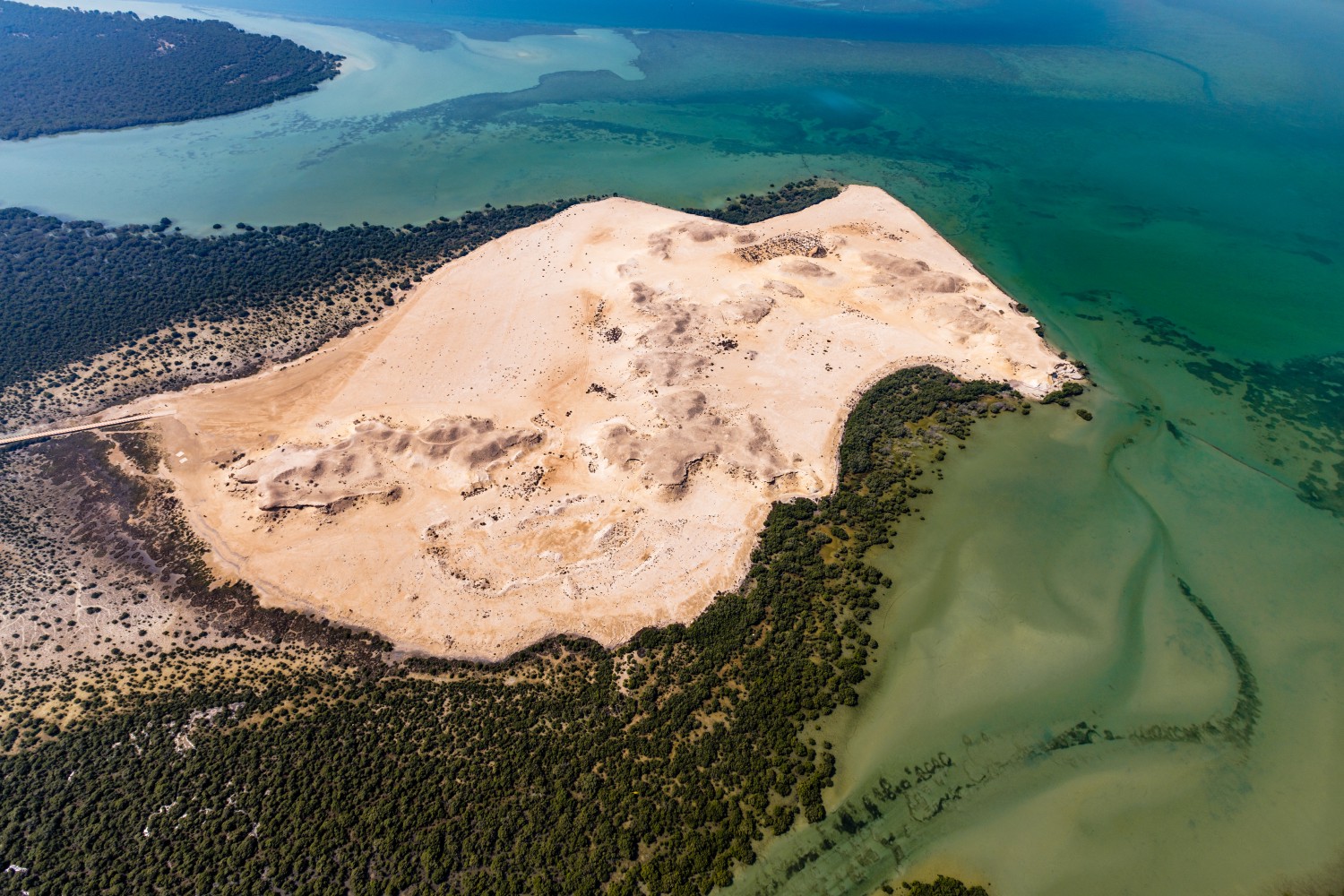
An ancient purple production site
1
0

Known for its unique natural heritage in Qatar, Bin Ghannam Island – located in the Khor Al Shaqiq Bay – was studied by European and Qatari archaeologists in the second half of the 20th century. Their excavations revealed a pile of approximately 2.9 million crushed shells of the murex (Thais savignyi), a sea snail of the Muricidae family that lives under rocks in the intertidal basin. When crushed, the shell releases the hypo-branchial gland which, when in contact with light, produces a dark red dye, purple. Large ceramic vessels from the 13th and 12th centuries BC used to macerate the crushed molluscs have also been uncovered. A temporary settlement for trade with Bahrain, the island was home to fish and pearl fishermen from the early 2nd millennium BC.

Related content

Médias en cours d’exploration