


 Podcasts
 Shop
Shop
 Our partners


Before you go any further...
I've read and accept the Terms of Use and the Privacy Policy.
I accept to receive newsletter and other communications associated with firms of The Explorers Network group'
I accept to receive commercial offers of The Explorers Network partners'.


Thanks!
Vote everyday for your favorite content
SENSITIVE CONTENT
This media contains sensitive content which some people may find disturbing or offensive.
You must be 15 years of age or older to view sensitive content.
Log inBirthday
Content being validated
THE EXPLORERS +
Watch our premium movies
The Explorers + is our premium movie catalog in Ultra High Definition (HD/4K/8K)! Hundreds of videos already available and daily new content on all your devices (web, mobile, tablets, smart TV).

Post content (photo or video) and get 1-month free
OR
Subscribe and support The Explorers Foundation's field actions for biodiversity.
Content being validated
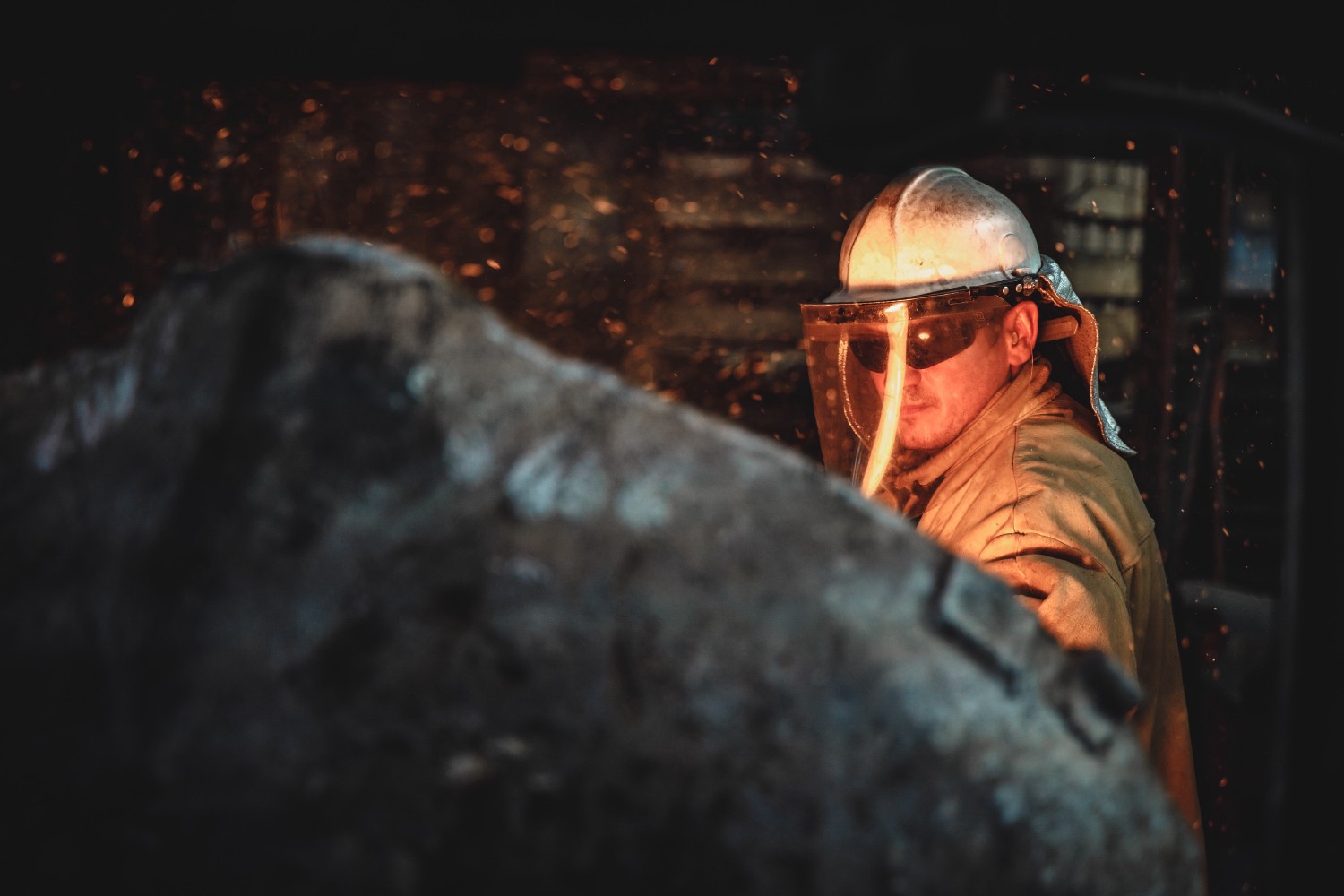
The melting temperature of metal
0
0

The principle of casting is to melt a pure metal or an alloy of several metals and then pour the liquid material into a mould. The glowing melt is transported into a refractory steel ladle and the caster must then withstand temperatures of up to 2,552°F (1,400°C). The melting temperature is specific to each metal used. The melting temperature of cast iron varies from 2,075°F (1,135°C) to 2,552°F (1,400°C), depending on its carbon and silicon content. Zinc alloys, on the other hand, melt at 420°C, aluminium alloys at around 1,292°F (700°C) and copper at 2,282°F (1,250°C).

Related content

Médias en cours d’exploration